
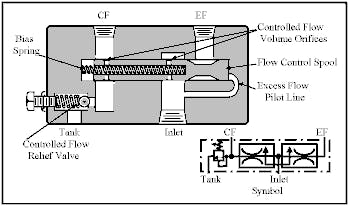
In the world of industrial processes, efficiency is the key to success. With operations running around the clock, even minor improvements can lead to significant gains. One unsung hero in this quest for efficiency is the flow divider. In this blog post, we’ll explore the critical role of flow dividers in fluid control technology and how they enhance industrial processes. If you’re a professional in the field or simply curious about the workings of modern industry, read on to discover how these devices can transform your operations.
Understanding the Basics of Fluid Control Technology
Fluid control technology is a fundamental aspect of various industrial processes. It involves managing the flow of liquids or gases to achieve specific outcomes, such as maintaining pressure, temperature, or flow rates. Effective fluid control ensures that industries function smoothly and safely, minimizing waste and maximizing productivity. At the heart of this technology lies the flow divider, a pivotal component that enables precise control over fluid distribution.
The role of flow dividers is to split a single fluid stream into multiple paths, ensuring equal distribution. This is crucial in applications where maintaining consistent flow rates is imperative. By effectively managing these flows, industries can reduce wear and tear on equipment, improve operational efficiency, and ensure product quality. Understanding the basics of fluid control technology sets the stage for exploring how flow dividers contribute to these benefits.
Flow Dividers What Are They and How Do They Work?
Flow dividers are devices designed to split a single fluid stream into two or more equal or proportional streams. They consist of a series of channels and valves that regulate the flow, ensuring that each branch receives the correct amount of fluid. This functionality is essential in many industries, from manufacturing to agriculture, where maintaining consistent flow rates is critical to process stability.
The operation of flow dividers is based on hydraulic principles. They work by balancing the pressure across different channels, allowing them to distribute fluid evenly. This is particularly important in systems with varying demands, ensuring that each component receives the necessary amount of fluid without causing disruptions. By efficiently dividing flow, these devices help maintain equilibrium within complex systems.
Applications of Flow Dividers in Industrial Processes
Flow dividers find applications in a wide range of industrial processes. In manufacturing, they are used to control the flow of lubricants, coolants, and hydraulic fluids, ensuring that machinery operates smoothly and efficiently. In the agricultural sector, flow dividers help distribute water evenly across irrigation systems, optimizing crop yields and conserving resources.
In the construction industry, flow dividers are employed in concrete pumping systems to regulate the distribution of concrete. This ensures a consistent flow rate, reducing the risk of blockages and improving the quality of the final product. From chemical processing to automotive manufacturing, the versatility of flow dividers makes them indispensable in achieving efficient fluid control.
Advantages of Using Flow Dividers
The use of flow dividers in industrial processes offers several advantages that contribute to overall efficiency. Firstly, they help maintain consistent flow rates, which is crucial for processes that require precision. By ensuring that each component receives the right amount of fluid, flow dividers minimize the risk of equipment failure and downtime.
Secondly, flow dividers enhance energy efficiency. By distributing fluid evenly, they reduce the need for excessive pumping or pressure adjustments, leading to lower energy consumption. This not only saves costs but also reduces the environmental impact of industrial operations. Lastly, flow dividers improve product quality by ensuring uniformity in processes such as mixing or cooling.
Choosing the Right Flow Divider for Your Needs
Selecting the right flow divider for your specific application is essential to maximizing its benefits. Several factors should be considered when making this decision. First, evaluate the flow rate requirements of your system. Different types of flow dividers are designed to handle varying flow rates, so it’s crucial to choose one that matches your needs.
Next, consider the type of fluid you’re working with. Some flow dividers are better suited for certain fluids, such as oils or water-based solutions. Additionally, think about the environment in which the flow divider will operate. Factors like temperature, pressure, and potential contaminants can influence the performance and longevity of the device.
Maintenance and Troubleshooting Tips
Proper maintenance of flow dividers is critical to ensuring their long-term performance and reliability. Regular inspections should be conducted to check for signs of wear, leaks, or blockages. Keeping the flow divider clean and free from debris is essential to prevent disruptions in fluid flow.
In the event of issues, troubleshooting should begin with identifying the source of the problem. Common issues include uneven flow distribution, pressure fluctuations, and valve malfunctions. Addressing these problems promptly can prevent further damage and maintain system efficiency. Implementing a proactive maintenance schedule can significantly extend the lifespan of flow dividers.
Innovations in Flow Divider Technology
The field of flow divider technology is continually evolving, driven by advancements in materials and design. Innovations such as smart flow dividers equipped with sensors and automation capabilities are transforming how industrial processes are managed. These intelligent devices can monitor fluid flow in real-time, adjust parameters automatically, and provide valuable data for predictive maintenance.
Furthermore, the development of eco-friendly materials for flow divider construction aligns with the growing emphasis on sustainability in industry. These materials reduce environmental impact while maintaining high levels of performance. Staying informed about these innovations allows businesses to leverage the latest technology for enhanced fluid control.
The Future of Fluid Control Technology
Looking ahead, the future of fluid control technology holds exciting possibilities. The integration of artificial intelligence and machine learning into flow control systems promises to revolutionize how industries operate. AI-driven algorithms can optimize flow rates, predict maintenance needs, and improve overall efficiency.
The increasing adoption of IoT (Internet of Things) technology in industrial settings further enhances the capabilities of flow dividers. IoT-enabled devices can communicate with each other, sharing data and insights to optimize processes. This interconnectedness creates opportunities for more streamlined and efficient operations.
Harnessing the Potential of Flow Dividers
Flow dividers play a vital role in enhancing efficiency within industrial processes. By ensuring precise fluid distribution, they contribute to improved product quality, reduced energy consumption, and minimized equipment downtime. Understanding the applications and benefits of flow dividers empowers businesses to make informed decisions about their fluid control needs.
To fully harness the potential of flow dividers, it’s essential to choose the right device for your specific application and maintain it properly. Staying abreast of technological advancements in fluid control ensures that your operations remain at the forefront of efficiency and innovation.
For more information on how flow dividers can benefit your business, reach out to our team of experts. We’re here to help you explore the possibilities and achieve optimal fluid control.


More Stories
Everything You Need To Know About LLM Red Teaming
Choosing the Best At-Home Photo Printer on the Market
What is Hyperloop technology?